
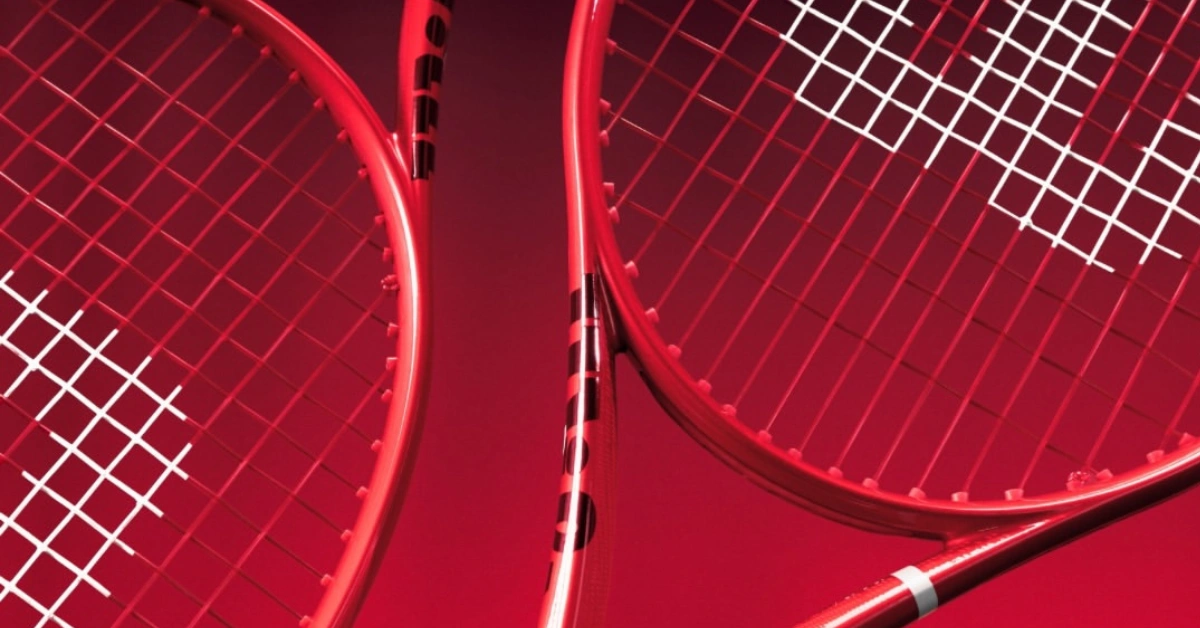
Wilson Defyer 98 Pro Review – If you follow the pro tour, you’ve probably already seen the Wilson Defyer 98 Pro, you just didn’t know it. For the better part of a year, it circulated as a blacked-out mystery frame known internally as “Project P” and later nicknamed the Python. In July 2026 it finally arrived at retail in a striking “adrenalin red” colourway, and it represents something genuinely new for Wilson: a dedicated spin franchise designed to compete head-on with the Babolat Pure Aero and Yonex VCORE.
We’ve spent time with the Defyer 98 Pro on court, and in this review we’ll break down the specs, the technology, how it actually plays, and how to string it to get the most out of it.
Wilson Defyer 98 Pro Specs
Official specification breakdown for the Wilson Defyer 98 Pro tennis racquet, detailing frame dimensions, weight distribution, and player targeting.
Head Size & Frame Profile Specs
- Head size: 98 sq in (632 cm²)
- Beam width: 22 / 23.5 / 22 mm
Weight & Balance Weight
- Unstrung weight: 305 g (10.8 oz)
- Strung weight: ~323 g
- Balance: 31.5 cm unstrung (9 points head light)
- Swingweight: sub-320 strung
String Pattern & Playability Performance
- String pattern: 16×20
- Player level: Intermediate to advanced
Specifications reflect factory baseline metrics and may vary slightly due to manufacturing tolerances and aftermarket customization.
Wilson Defyer 98 Pro Review – The 98 Pro sits at the top of the Defyer family, which also includes the more forgiving 100, 100L and 100UL models. It has the smallest head, thinnest beam and densest string pattern in the line, making it the clear control option and, tellingly, the spec most of Wilson’s tour players have gravitated towards.
Wilson Defyer 98 Pro Review – Why I Wanted to Test This Racket
Wilson Defyer 98 Pro Review – I’ll be honest, I went into this one skeptical. Wilson’s new Defyer line had been floating around the tour for months as a blacked-out mystery frame nicknamed “Python,” and marketing hype around a brand-new franchise usually makes me brace for disappointment. But once I got a strung 98 Pro on the stringing bench and then out on court, I understood pretty quickly why so many tour players made the switch. This isn’t a reskinned Clash or a Blade with a new paint job. It’s genuinely a different animal, and after two weeks of hitting with it as my primary frame, it’s earned a permanent slot in my bag rotation for testing purposes.
The Tech: TORQ Shaft, SI3D and the Airfoil Bumper
Wilson Defyer 98 Pro Review – Before I even strung mine, I wanted to understand what Wilson had actually changed. Three things stood out on paper, and all three showed up in how the racket played.
The TORQ Shaft thickens progressively from the handle upward, and you can feel it: swing energy seems to load into the ball rather than dissipate, which is a big part of why the spin feels so effortless. SI3D pairs a more flexible hoop with a stiffer throat, and this is the piece I noticed first off the string bed: the frame has real give at impact without feeling soft or dead. Then there’s the Airfoil Bumper, which smooths air around the head. I can’t claim to feel aerodynamics directly, but the racket does swing noticeably faster than its weight would suggest.
The sub-320 swingweight means it whips through contact quickly, which is great for racket-head speed but does have a trade-off: against very heavy hitters, some players (including the testers at Tennisnerd) found the stock frame could use a few grams of lead at 3 and 9 o’clock for added plough-through and stability. That’s a customisation, not a criticism as any college and tour players run theirs exactly that way.
Playtest Breakdown: How It Actually Feels
Groundstrokes. This is where I spent most of my testing time, and it’s the standout. My natural swing is fairly flat, and I expected a “spin racket” to fight me. It didn’t. The 16×20 pattern keeps the launch angle low and driving rather than the loopy, high-arcing trajectory I get from wider-pattern spin frames. When I did commit to a bigger swing path, the spin was there in a way that felt earned rather than automatic. I had to ask for it, and it delivered.
At the net. I didn’t expect to like this racket at net as much as I did. The headlight balance makes it quick to get set for volleys, and the SI3D dampening gives a connected, almost muted feedback rather than the harsh “ping” some control frames deliver on off-center contact. Touch shots came off more predictably than I anticipated from a frame built around spin and pace.
On serve. This is the pleasant surprise of the whole test. The low swingweight lets you accelerate through contact quickly, and kick serves in particular came alive; the TORQ Shaft seems to translate directly into extra bite on the ball. Flat first serves were solid but not the frame’s standout strength; this is a racket that rewards spin on delivery just as much as on groundstrokes.
| ✅ Pros | ⚠️ Cons |
|---|---|
| Genuine spin without the ballooning trajectory of typical spin frames | Small, unforgiving sweet spot; off-center hits are punished honestly |
| Surprisingly plush, connected feel thanks to SI3D | Can feel light against very heavy hitters without added weight |
| Fast swing speed for its spec, great at net and on serve | Sub-320 swingweight may lack plough-through for some baseliners |
| Tight manufacturing tolerances, consistent frame to frame | Denser 16×20 pattern requires the right string to unlock full spin |
Who It Suits
Best for: Aggressive, flatter-swinging baseliners who’ve always wanted more spin without losing their driving trajectory; net rushers who want a fast, connected frame; players upgrading from a Blade who want more rotation on the ball without sacrificing feel.
Not for: Club players who miss the center of the strings often. The 98 sq in head is honest, not forgiving, and the Defyer 100 will serve you better. Also not ideal for pure power players who rely on the frame to generate pace for them; you have to bring your own here.
Comparable Rackets
- Babolat Pure Aero 98: The benchmark spin frame. The Aero launches higher and feels stiffer; the Defyer’s lower launch angle and SI3D dampening make it the more controlled, arm-friendly option of the two.
- Yonex VCORE 98: Similarly precise, but the VCORE has a more solid, less flexible hitting sensation. The Defyer feels livelier and more connected through the hoop.
- Wilson Blade 98 v9: If you love the Blade’s control and comfort but want measurably more spin, the Defyer 98 Pro is the natural next step: faster swing speed, more rotation, similar plushness.
The Defyer Lineup: Which One Is Yours?
| Model | Head Size | Weight (Unstrung) | Pattern | Best For |
|---|---|---|---|---|
| Defyer 98 Pro | 98 sq. in. | 305g | 16×20 | The Control Player; smallest head and densest pattern in the line, for advanced players who want precision with their spin. |
| Defyer 100 | 100 sq. in. | 300g | 16×19 | The All-Rounder; more forgiveness and easier spin access for intermediate to advanced players. |
| Defyer 100L | 100 sq. in. | 285g | 16×19 | Intermediate Players; lighter build for faster racket-head speed with less physical effort. |
| Defyer 100UL | 100 sq. in. | 270g | 16×19 | The Easy Swinger; ultralight frame for developing players and those prioritizing maneuverability. |
Recommended String Setups for the Defyer 98 Pro
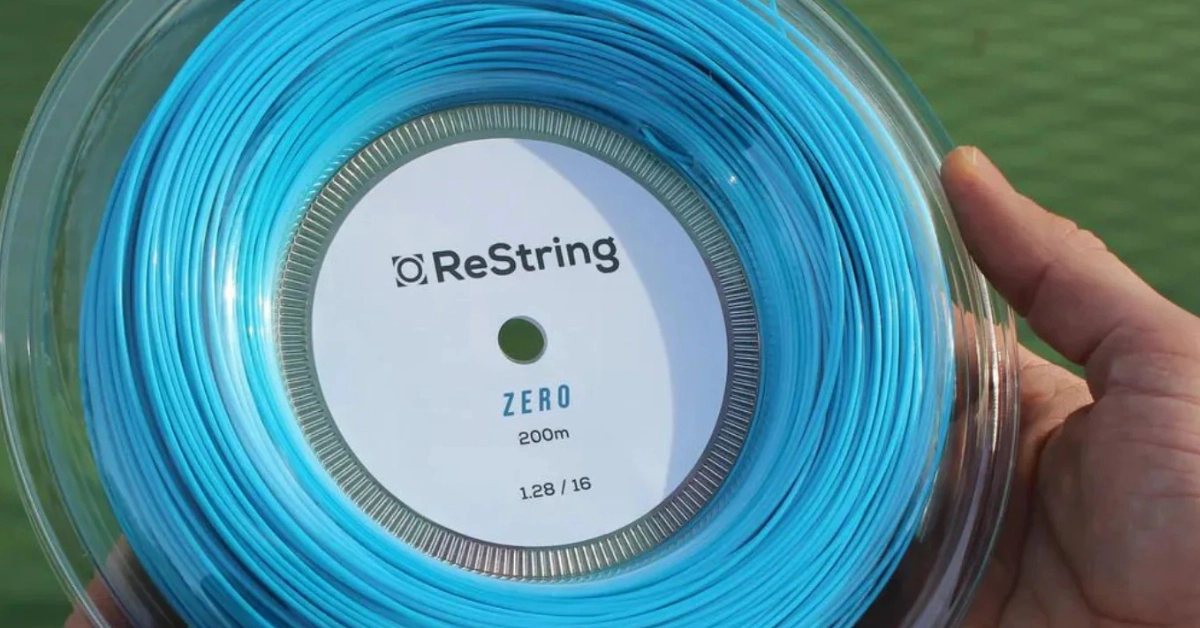
Since the 98 Pro’s 16×20 pattern is denser than most spin frames, string choice makes a bigger difference here than on a typical open-pattern racket. These are the four setups I tried on the stringing bench.
1. The “Maximum Spin” Setup String: Restring Zero (1.23mm, Blue) Why it works: The Defyer’s TORQ Shaft is built for a fast, vertical swing, and Restring Zero’s slick surface maximizes snapback. This setup opened up the launch angle just enough to add margin without losing the frame’s naturally driving trajectory. Prostrung Price: £28 (includes string & labour)
2. The “Precision Control” Setup String: Solinco Confidential (1.20mm, Black) Why it works: A firm, shaped co-poly sharpens up the already-precise 16×20 pattern, giving pinpoint directional control for players who want to dictate rather than just spin. Prostrung Price: £28 (includes string & labour)
3. The “Arm-Friendly Comfort” Setup String: Babolat Xplore (1.30mm, Blue) Why it works: The Defyer is already plush thanks to SI3D; pairing it with a soft multifilament makes it one of the most comfortable spin-frame setups we’ve strung, ideal for players managing arm sensitivity. Prostrung Price: £28 (includes string & labour)
4. The “Best of Both” Hybrid Setup: HighString Zeus (Mains) / Wilson Sensation (Crosses) Why it works: Firm, shaped polyester in the mains keeps spin and tension maintenance high, while the multifilament crosses soften the overall response, a great setup for competitive players who want both bite and comfort. Prostrung Price: £28 (average of the two strings)
Final Thoughts
After two weeks of hitting with the Wilson Defyer 98 Pro, my honest take is this: it’s the first “spin racket” I’ve tested that didn’t ask me to change how I hit the ball to get something out of it. It rewards a committed swing with real, controlled spin rather than an automatic loop, it’s noticeably fast through the air, and the SI3D dampening makes it far more comfortable than I expected from a frame built for aggressive baseline tennis. It’s not forgiving, and it’s not for players who need the frame to do the work, but for the aggressive, technically sound player it’s one of the most complete control-spin frames I’ve strung and hit with this year.
If you enjoyed this breakdown, you might also like my Wilson Blade V10 Review.
